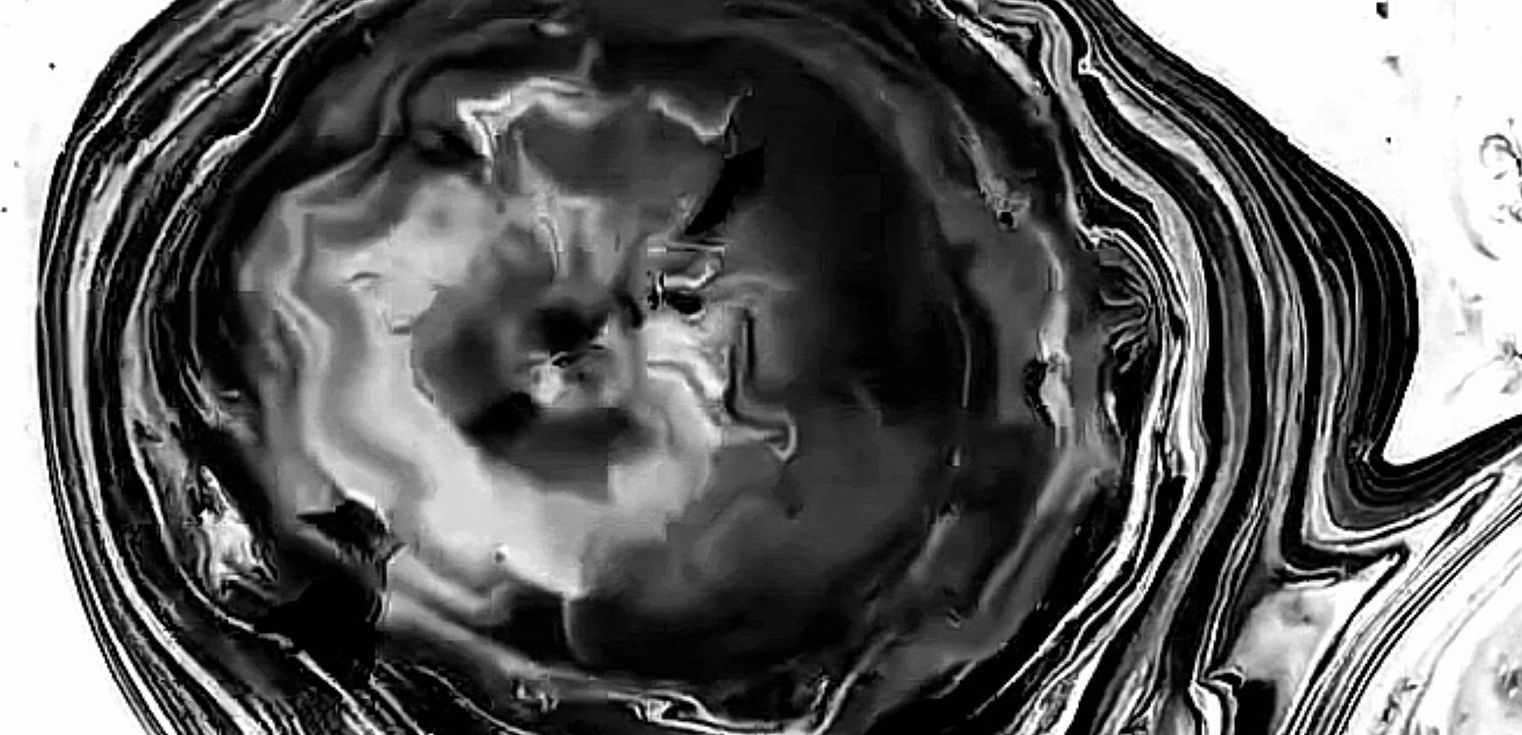
NOISE OF PAINT #4
MALCOLM ROXS FEAT SHADOW-A


Malcolm Roxs is an Argentinian artist and performer, born in 1980, Buenos Aires.
The subjects of his paintings transmit autobiographical codes, representing the artist's personal life journey and experiences that emerge from paints, technology, masking and take shape through manual and airbrush techniques with complex layering processes. Malcolm draws inspiration from dadaism, futurism, and avant-garde movements, acknowledging their radical potential for painting.
In addition to creating works in the studio, Malcolm Roxs is known for his live painting performances. Through the transformative movements of his hands, the power of sound and stage energy, he brings forms and shapes onto canvas. "Le Show Demolition" represents his vision, centered around the concept of destruction as a means to forge something new. This multidisciplinary approach to art adds an extra experience that is visually and emotionally hypnotizing.
Over the past several years, Malcolm Roxs has showcased his artworks and performances at prominent venues and events, including collaborations with Iggy Pop, Sven Väth, Nina Hagen, Maccio Theatre, and Goya Exhibition, among others.
Shadow A is the experimental alter ego of a Russian composer, film scorer, pianist, music theorist, educator, and sound producer, an identity deliberately concealed to allow for radical artistic freedom. Moving through techno, industrial, ambient, and noise, Shadow A represents a friction between the known and the unknown, where the creator withdraws so that sound itself may speak.
This is not anonymity for its own sake, but a strategic disappearance, an erasure of the author function that liberates both creator and listener from the weight of expectation, reputation, and biography. freed from the constraints of his established oeuvre, the artist behind Shadow A navigates the liminal zones between genres, where rhythm becomes ritual, texture becomes architecture, and noise becomes narrative.
The project interrogates the boundaries of sonic experience: industrial rhythms collide with ambient stillness, techno pulses are subsumed by waves of distortion, and fragments of melody emerge only to dissolve into abstraction. Each composition functions as a temporary autonomous zone, a space where sound operates outside commercial imperatives and academic orthodoxies alike.
In live performance, Shadow A transforms this sonic inquiry into embodied experience. The artist's physical absence, his refusal to appear as a recognizable figure becomes a generative void, inviting audiences to encounter sound directly, without the mediating filter of persona. What remains is pure phenomenon: vibration, frequency, and the raw materiality of noise.
Shadow A thus poses a fundamental question: If the creator disappears, what remains? The answer, heard in the pulsing architecture of each composition, is sound itself, unburdened, unclaimed, and radically free.